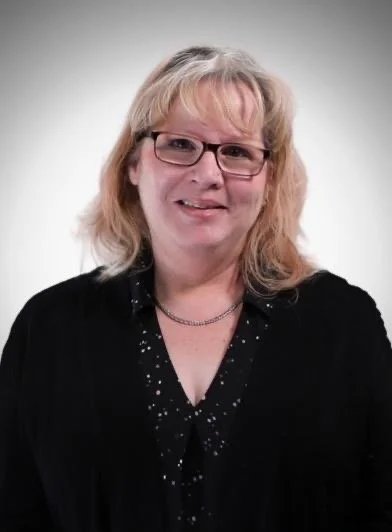
Susan Tilson
Susan L. Tilson is a Registered Psychotherapist based in Thunder Bay with a Master of Arts in Counselling Psychology. She operates a private practice providing trauma-informed psychotherapy for individuals experiencing traumatic loss, traumatic grief, grief, trauma, substance use, and other complex mental health challenges. Her work is grounded in specialized training in EMDR, Internal Family Systems (IFS), and cognitive and dialectical behaviour therapies, which inform her approach to supporting clients through healing and recovery.
Susan has lived in Northwestern Ontario for most of her life, where she was raised and later raised her two sons. For much of her adult life, her identity was rooted in being a single mother to two active and much-loved boys. In 2019, her son Zach died as a result of the fentanyl crisis in Ontario. His story is featured in We Were Here, a moving series of animated shorts created by Mary Fairhurst Breen to honour young lives lost too soon. This loss profoundly reshaped her life and identity. She continues forward as a mother, carrying both love and loss, and this lived experience has deeply informed her understanding of grief, trauma, and the realities families face when seeking support.
Susan’s personal and professional experiences closely align with the mission and values of Moms Stop the Harm, a Canadian advocacy and peer-support organization focused on reducing substance-use-related harms, stigma, and toxic drug poisoning deaths. Following the loss of her son, she became deeply aware of the profound impact stigma, systemic barriers, and lack of coordinated support can have on individuals and families affected by substance use. She strongly values compassionate, evidence-based approaches to care and advocacy and believes in the importance of dignity, inclusion, and human rights for all individuals impacted by substance use and mental health challenges.
She has previously been involved with initiatives such as Healing Hearts and Moms Stop the Harm, where she contributed to peer support and community-based efforts for families impacted by substance use and loss. While she is no longer formally involved in those roles, she continues to support individuals locally, holding space for those navigating grief, trauma, and mental health challenges. Susan believes strongly in reducing stigma through storytelling, advocacy, education, and compassionate community connection and values the inclusion of lived and living experience in decision-making and systems change.
Susan brings meaningful governance and leadership experience developed over many years of involvement in community and health organizations. Early in her career at NorWest Community Health Centres, she gained valuable hands-on experience in governance practices, including training in the Carver Policy Governance model and an understanding of how boards and management work collaboratively and effectively.
She later served as Vice Chair of the Board of Directors for the Canadian Mental Health Association, Thunder Bay Branch, where she sat on numerous committees, including Executive, Finance, Accreditation Governance, and Resource Development, contributing particularly to financial oversight and accountability.
Her professional background spans over three decades across healthcare, legal, and community sectors, including more than 13 years with Legal Aid Ontario supporting individuals and families navigating complex legal and social systems. In addition to her board-level finance experience, Susan brings strong practical financial knowledge, including early work managing trust accounts within a legal setting, conducting financial eligibility assessments over many years at Legal Aid, contributing to budget development and proposal writing in prior roles, and currently managing the financial operations of her private practice. This experience supports her ability to contribute to sound financial governance, accountability, and policy development.
Susan hopes to contribute to strengthening systems that respond to mental health and substance use with compassion, dignity, and coordination. She is particularly committed to supporting families, reducing stigma, and helping build a system of care where people feel seen, supported, and not alone.